
From the ancient bell towers that first announced the passage of time to the intricate wrist-worn devices that perform symphonies, the journey of audible timekeeping is a testament to human ingenuity. This exploration unveils the evolution of chiming mechanisms, delving into the distinct categories that define this horological art form. We examine the historical roots, the sophisticated engineering, and the acoustic mastery required to bring these timepieces to life, showcasing how tradition and innovation converge in the creation of these sonic wonders.
The earliest mechanical timepieces were not visual displays but auditory signals. Originating in Europe around the late 13th century, these bell towers, from which the word 'clock' derives, simply chimed to mark hours or special occasions. A prime example is the Salisbury Cathedral clock, with its 14th-century components still functioning today. As these monumental time-tellers were progressively downsized into portable devices like the 16th-century Nuremberg eggs, which were essentially pocket-sized striking clocks, the tradition of audible timekeeping persisted. Some of these early portable instruments even featured rudimentary striking mechanisms, prefiguring the complex sonnerie complications of later eras. While the intricacies of every historical chime are vast, this overview focuses on the most significant and prevalent sound complications in horology.
Demand-Activated Chimes: The Repeater
In contrast to sonneries, which chime automatically, repeaters activate on demand. Their initial purpose was to provide time audibly in the dark, predating the invention of luminous dials. A push-button or slide on the watch case initiates the repeater mechanism, which involves miniature, spring-driven hammers striking hardened steel gongs, governed by a rack and snail system. Numerous repeater variations exist, with the minute repeater being the most common, alongside quarter, half-quarter, five-minute, and decimal repeaters, many of which are now largely historical curiosities. More elaborate versions, like the Grande Sonnerie, integrate both automatic chiming and on-demand repeater functions.
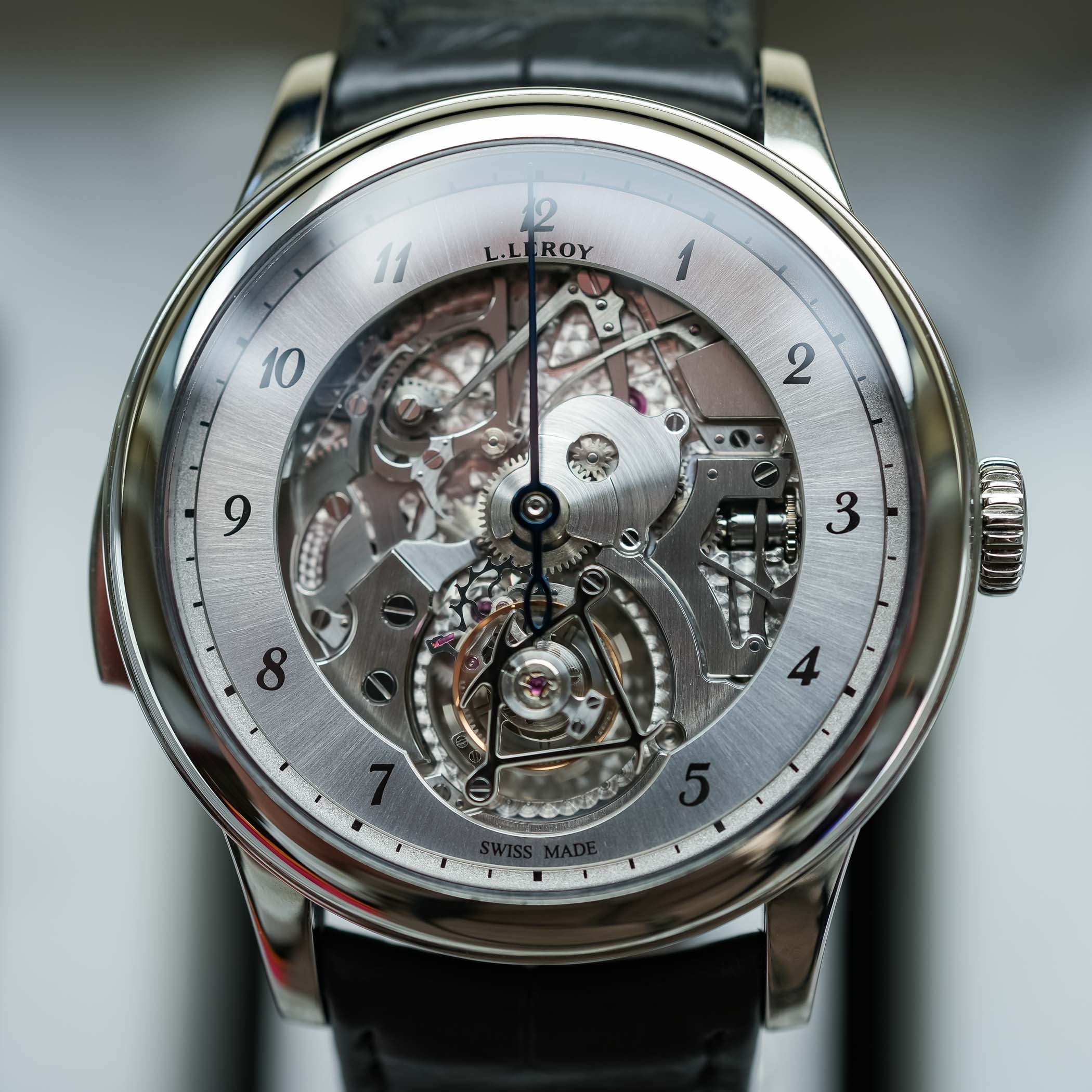
The first repeater clock, conceived by Edward Barlow in 1676, utilized a rack and snail mechanism. Around a decade later, Daniel Quare introduced the repeating pocket watch, securing a patent in 1687. Miniaturizing this complex mechanism for pocket watches made them exceptionally rare and costly. Early models struck an internal bell, but by the 19th century, metal wire gongs, popularized by Breguet in 1783, became standard. While advancements in lighting reduced the practical necessity of repeaters, their intricate chiming tradition endures. Minute repeaters precisely chime the hours, quarter hours, and minutes, using distinct tones for each. For instance, 8:35 would be denoted by eight low tones, followed by two "ding-dong" chimes for the quarter hours, and then five high tones for the minutes. These multi-toned chimes are typically achieved through a single gong tuned at different points or by employing multiple gongs. Quarter repeaters, a simpler variant, chime only the hours and quarter hours.
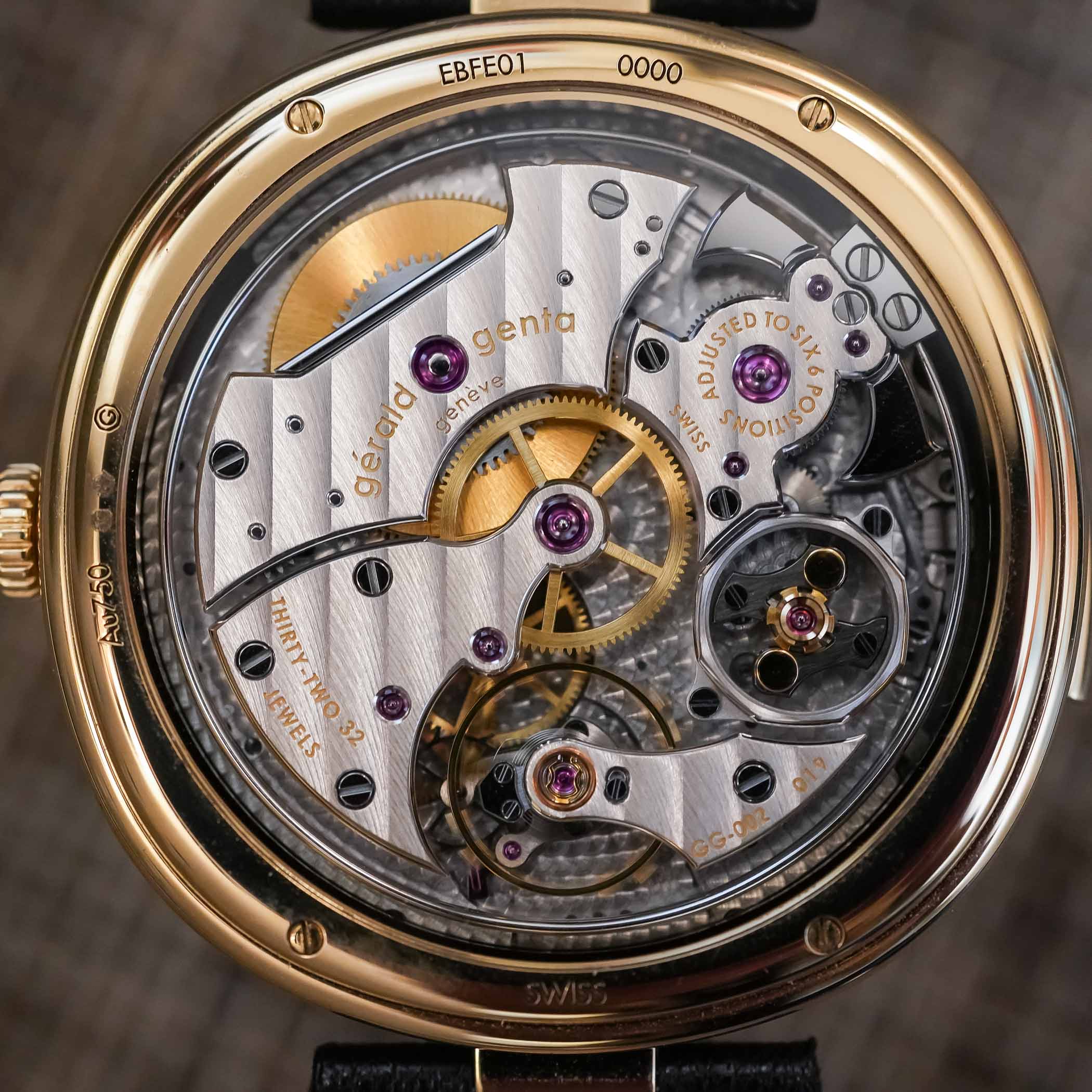
The sophisticated operation of repeaters relies on an intricate arrangement of gears and cams, particularly snail cams that act as mechanical memory, ensuring precise chiming. Minute repeaters typically feature three such cams for hours, quarter hours, and minutes. When activated, levers interact with these cams, dictating the hammer strikes on the gongs. To prevent power disruption to the timekeeping mechanism, most minute repeaters utilize a dedicated mainspring for the chiming function. Notable exceptions, like A. Lange & Söhne's Zeitwerk Minute Repeater, employ a unique high-torque barrel system. John Ellicott pioneered widespread production of minute repeater pocket watches post-1750, with Abraham-Louis Breguet further refining their reliability and manufacturing. Today, these complications remain among horology's most challenging and exclusive creations, often surpassing even tourbillons in complexity and cost. Examples like the H. Moser & Cie. Endeavour Concept Minute Repeater Tourbillon and the Patek Philippe 5303R Minute Repeater Tourbillon exemplify the pinnacle of this artistry.
Variations of Repeaters
Beyond the minute repeater, other historical variations include the half-quarter repeater, which chimes hours, quarter hours, and then 7.5-minute increments. This type is largely a relic, found predominantly in antique pocket watches. The five-minute repeater, invented by Samuel Watson in 1710, chimes hours followed by five-minute intervals. Similarly, it has largely been superseded. The decimal repeater, a modern adaptation, chimes every 10 minutes after the hour, and then the remaining minutes. Contemporary examples include creations by Kari Voutilainen, A. Lange & Söhne, and Credor.
Automated Chimes: The Sonnerie
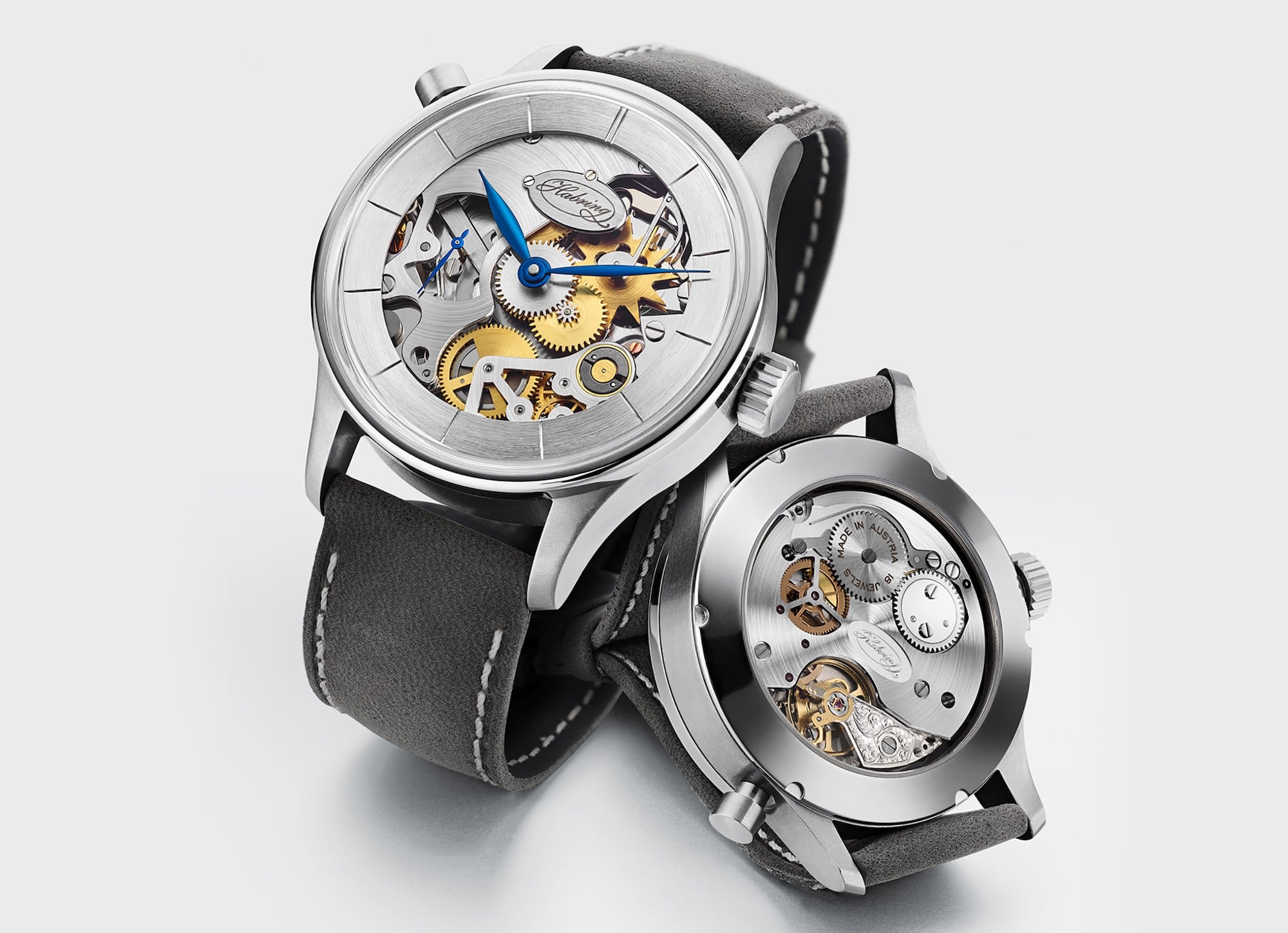
A sonnerie distinguishes itself from a repeater by automatically chiming, although many models offer both automatic and on-demand functions. Rooted in the concept of medieval bell towers, sonneries represent the original form of mechanical time. Early portable Nuremberg eggs featured 'Sonnerie au Passage' mechanisms, chiming only at the top of the hour. These remain the simplest and most accessible sonnerie variants, often characterized by a low-toned chime. Contemporary examples, such as the Christopher Ward Bell Canto and MeisterSinger's Bell Hora, showcase how sophisticated sonnerie designs can be made relatively affordable, bringing the ancient tradition of automatic chiming to modern wrists.
Grande and Petite Sonnerie
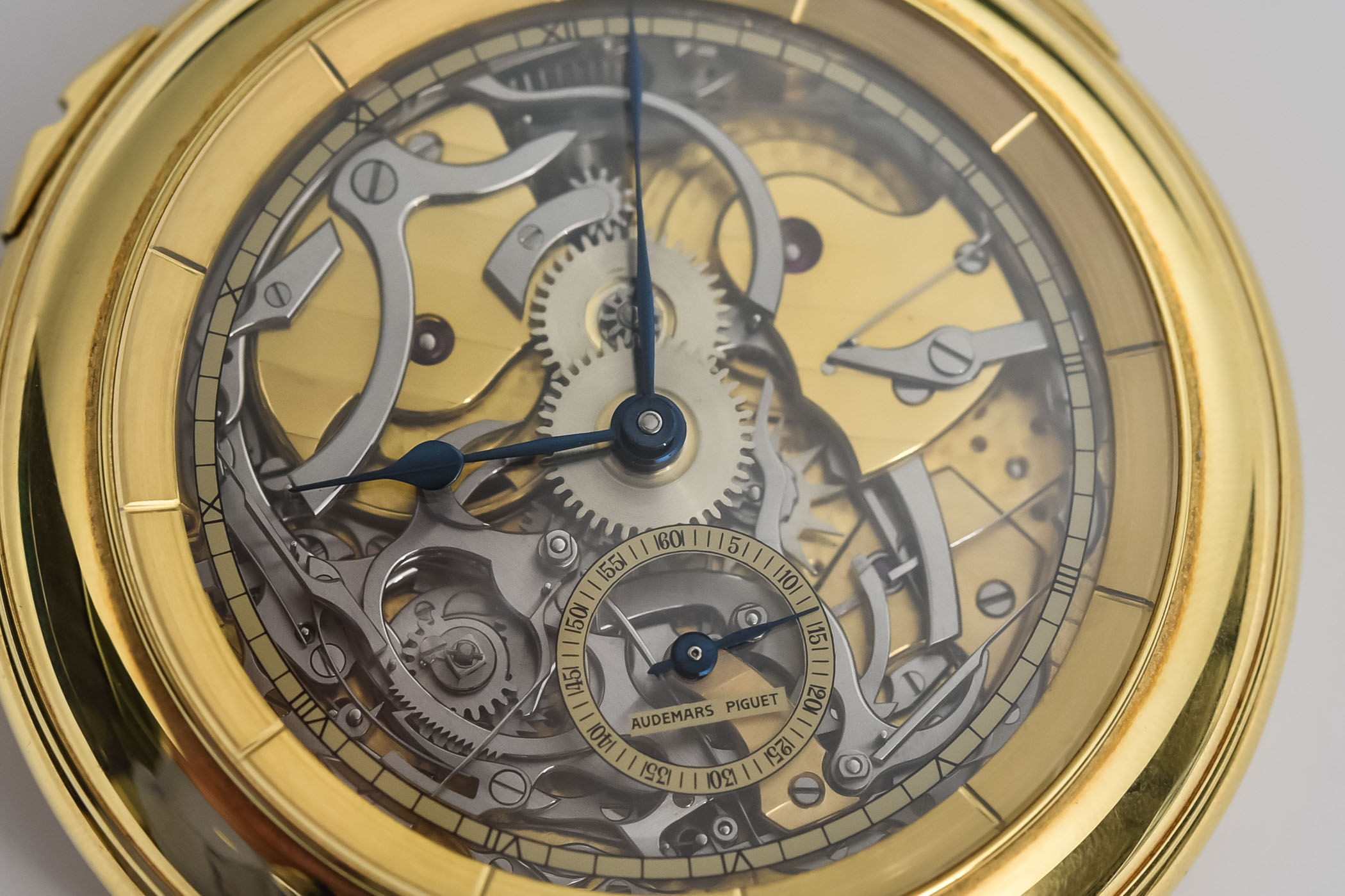
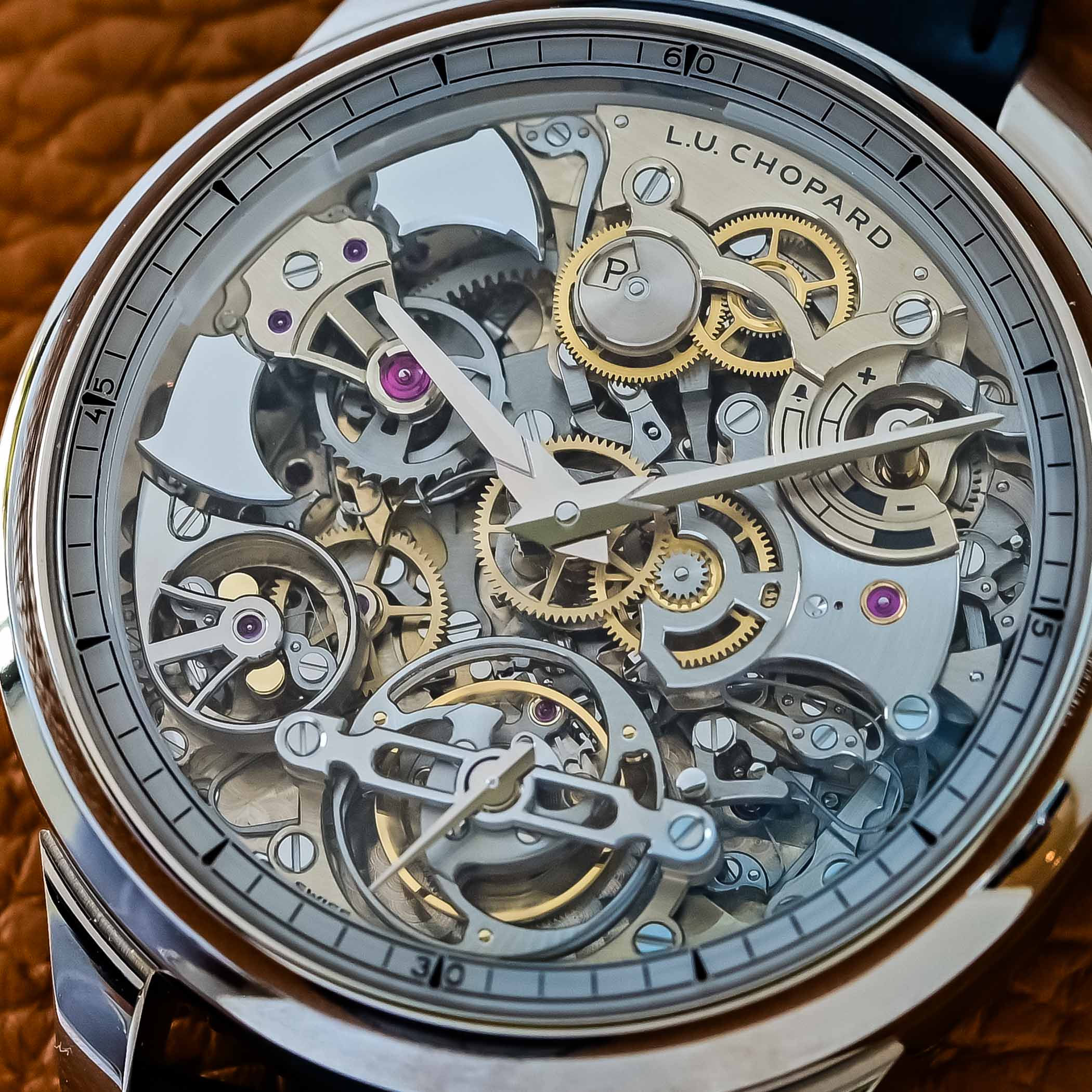
Grande Sonneries represent some of the most complex complications in watchmaking, leading to their high cost and scarcity. Often combined with a petite sonnerie function, these masterpieces automatically chime the hours and quarter hours. Philippe Dufour notably created the first grand sonnerie wristwatch in 1992, drawing on his expertise with pocket watches from the 1980s. These watches typically require a separate barrel and mainspring to power their continuous chiming, which can occur every 15 minutes throughout the day if not silenced. The construction of a grand sonnerie involves thousands of hours of meticulous craftsmanship, resulting in exquisite finishing and often additional intricate features. Blancpain's Grande Double Sonnerie 15GSQ, for instance, integrates a flying tourbillon, perpetual calendar, minute repeater, and petite sonnerie, all within a skeletonized design that reveals its mechanical grandeur. With four gongs, it can even play complex melodies such as the Westminster chime or custom compositions. Petite sonneries, in contrast, chime only the quarter hours at each quarter and the hours at the top of the hour, typically found as an optional feature within grand sonnerie movements today.
The Science of Sound: Acoustics in Horology
The creation of high-quality sound in grand sonneries and minute repeaters is a meticulous art. Watchmakers devote immense attention to acoustics, often employing specialized soundboards or attaching gongs directly to sapphire crystals to amplify sound. Cathedral gongs, which wrap around the movement, are used to produce richer, longer-lasting tones. Gongs are painstakingly filed to micron-level precision to achieve specific musical notes, with even minor imperfections leading to rejection. The choice of case materials, such as specific gold alloys and titanium, is critical for optimal resonance, and internal resonance chambers are often incorporated to further enhance tones. Specialized hammers, like Jaeger-LeCoultre’s patented “Trébuchet” hammers, are designed for forceful and precise strikes. To eliminate unwanted mechanical noise, magnetic governors regulate the chime speed, ensuring perfect pacing. Finished pieces undergo rigorous acoustic testing in specialized sound chambers using advanced laser-vibration analyzers, with many CEOs personally approving each watch before sale, ensuring peak auditory performance.
Practical Notifications: Mechanical Alarms
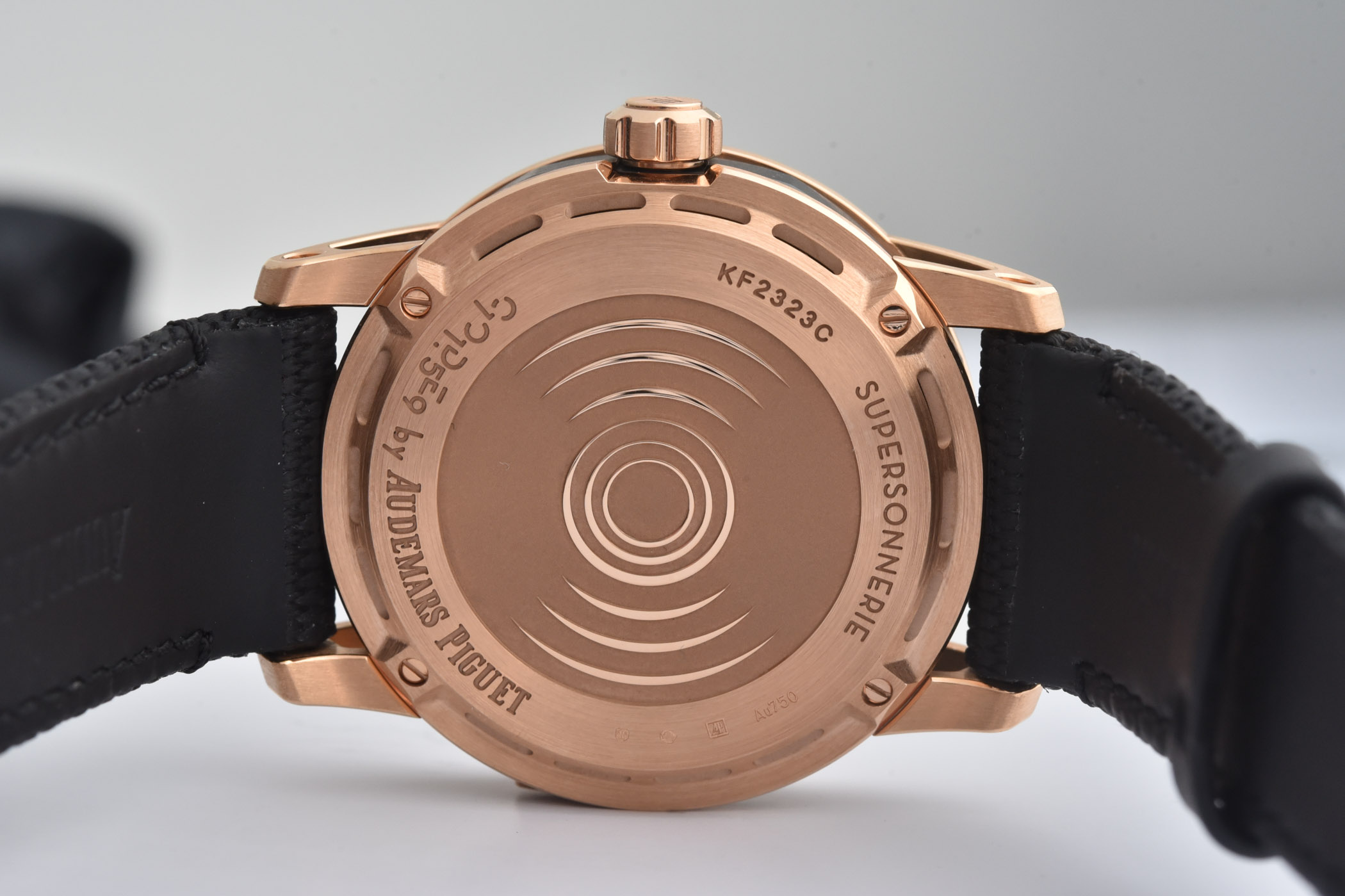
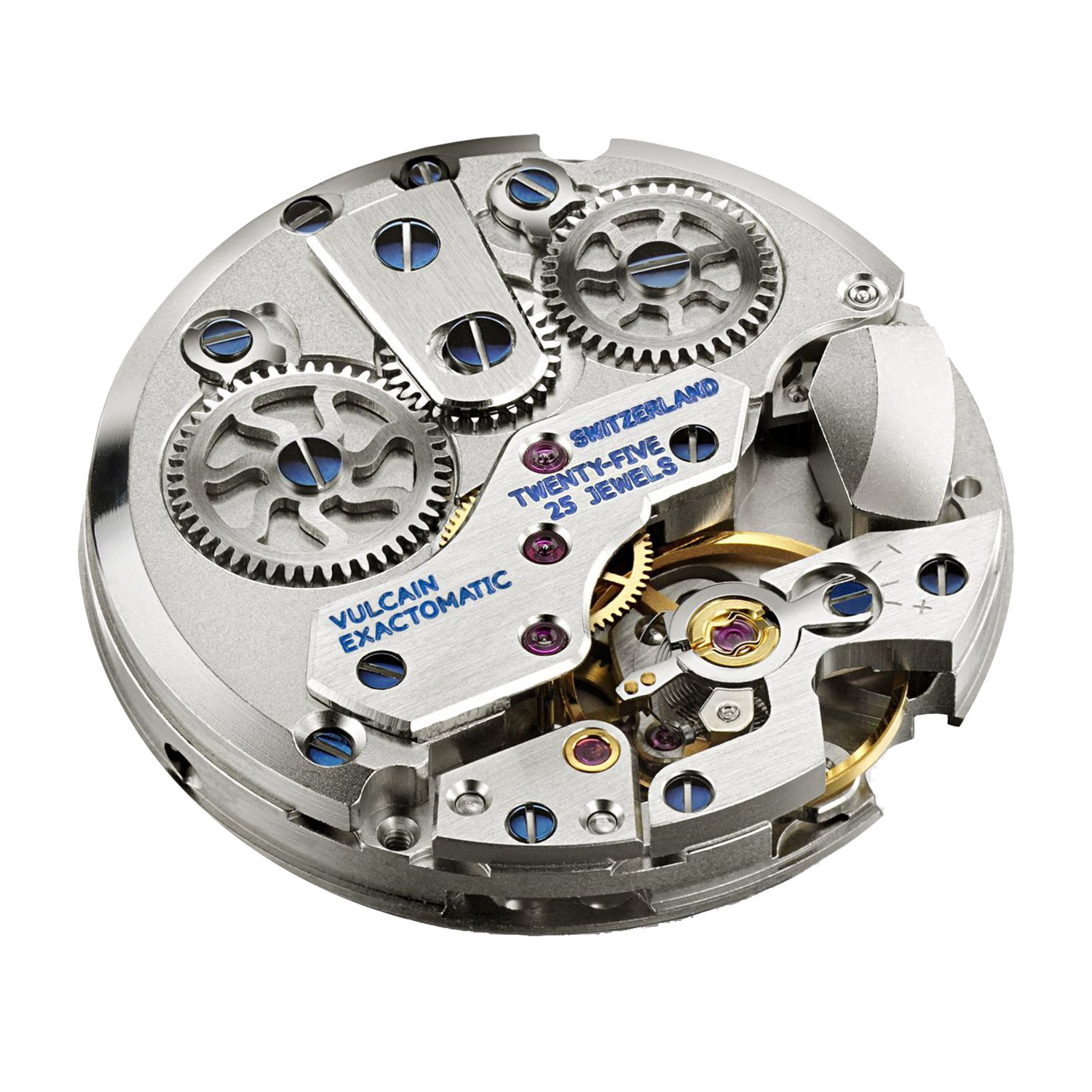
Alarm watches prioritize functionality over the nuanced tonal qualities found in repeaters and sonneries, although certain high-end brands like Jaeger-LeCoultre do focus on superior sound quality. The Vulcain Cricket, introduced in 1947, was the first commercially successful mechanical alarm wristwatch, renowned for its twin-barrel movement (Calibre 120) that dedicated one barrel to timekeeping and the other to its 25-second alarm. Its innovative design, including a hammer striking an internal membrane amplified by a perforated case back, produced a distinctive "cricket chirp" sound. The Cricket gained prestige as the "Watch of Presidents," with models given to U.S. presidents starting with Harry S. Truman. The history of mechanical alarms dates back to 15th-century monastic clocks, with personal alarms emerging later, though early versions had fixed alarm times. Antoine Redier created the first adjustable alarm clock in 1847, and by 1900, Johannes Dürrstein introduced the first production pocket watch with a 30-second alarm. Eterna released an alarm wristwatch in 1914, but it had a short, quiet alarm. Most mechanical alarm watches feature an extra hand for setting the alarm, which typically sounds twice daily unless silenced. While quartz watches have made alarm functions commonplace and affordable, high-end mechanical alarms continue to be produced by select watchmakers.
Specific Alarm Models
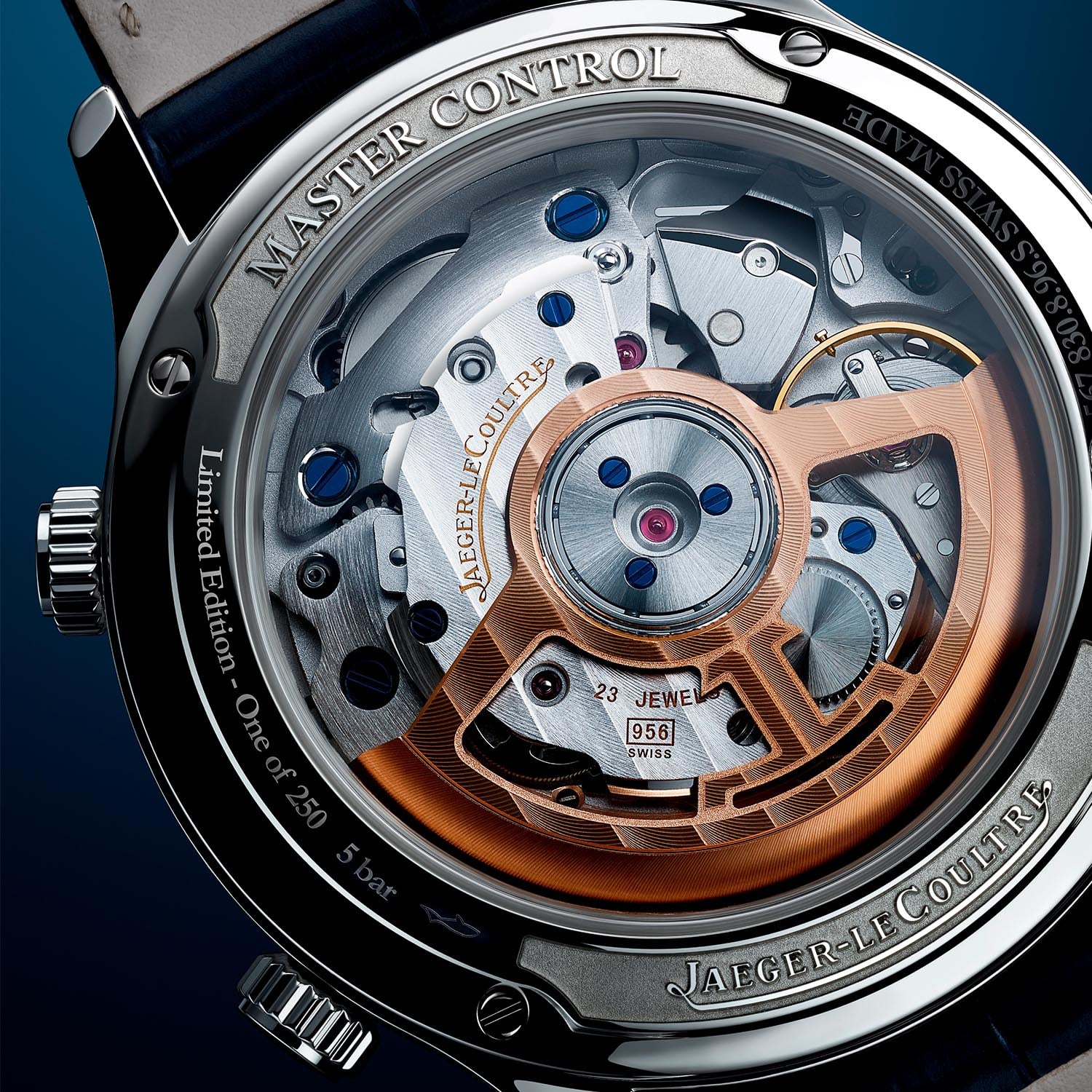
The Vulcain Cricket’s twin-barrel Calibre 120, developed with physicist Paul Langevin, produced a remarkably loud and effective alarm, earning it the prestigious Chronometry Prize at the Neuchâtel Observatory. Its distinctive sound, amplified by a perforated case back, gave it its name. In 1961, Vulcain launched the Cricket Nautical, an alarm diver’s watch rated for 300 meters, featuring a patented triple case back that amplified sound underwater and included a decompression table on the dial. In the 1960s, the Soviet Poljot brand introduced the affordable Calibre 2612.1, a twin-crown alarm watch that produced a loud, rattling sound. Its alarm function, powered by a separate mainspring, could be set via a dedicated hand. The Jaeger-LeCoultre Memovox, introduced in 1950, also became iconic for its twin-crown design (Calibre 489), aimed at business professionals for meeting reminders. In 1956, JLC released the first automatic alarm watch, and in 1959, the Memovox Deep Sea, the first dive watch with an alarm, offering a 200-meter depth rating. Initially using a hammer and membrane for sound, Memovox watches transitioned to internal gongs, producing a more refined “school bell” sound that continues in modern Master Control and Polaris lines.
Beyond Simple Chimes: Musical Watches
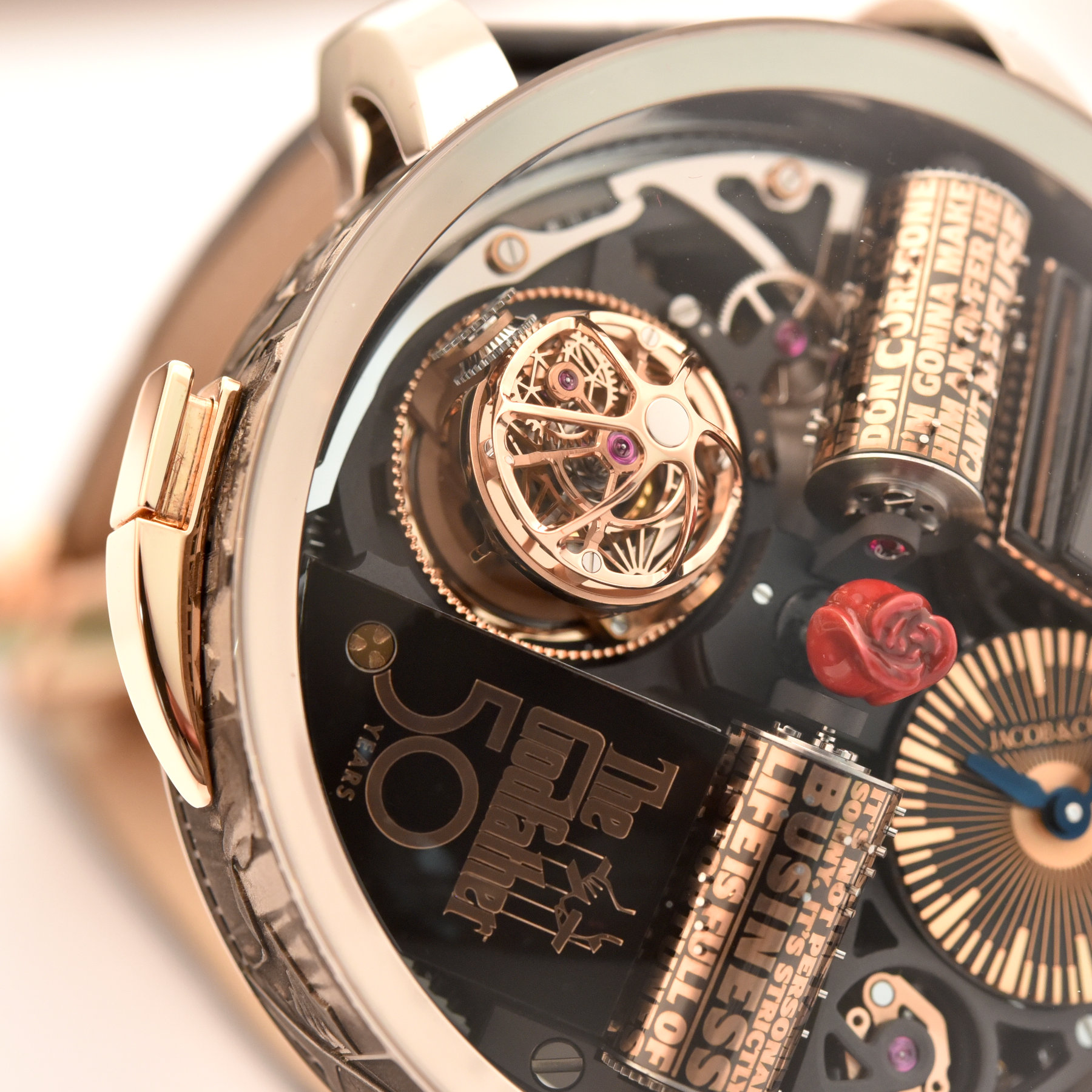
Some timepieces transcend basic chimes to play elaborate melodies, employing mechanical systems distinct from traditional hammers and gongs. These musical watches often mimic mechanical music boxes, using pins on a rotating cylinder or disc that pluck a comb of chiming blades. A famous example is a watch that plays the Godfather movie theme using two sets of cylinders and blades. High-end brands like Breguet and Ulysse Nardin have mastered the art of miniaturizing music boxes, bringing complex compositions to the wrist. Jacob & Co.'s Opera Godfather is a prime example, featuring a triple-axis flying tourbillon alongside twin custom music boxes that play a 30-second, 120-note rendition of the Godfather theme, complete with a rotating dial and an off-center sub-dial that maintains its upright position. The miniature concert is activated by a pusher, and the music spring is wound via a violin-shaped crank. This intricate piece, with its 658 parts and multiple sapphire crystals, exemplifies haute horology's exotic creations.
Unique Musical Timepieces
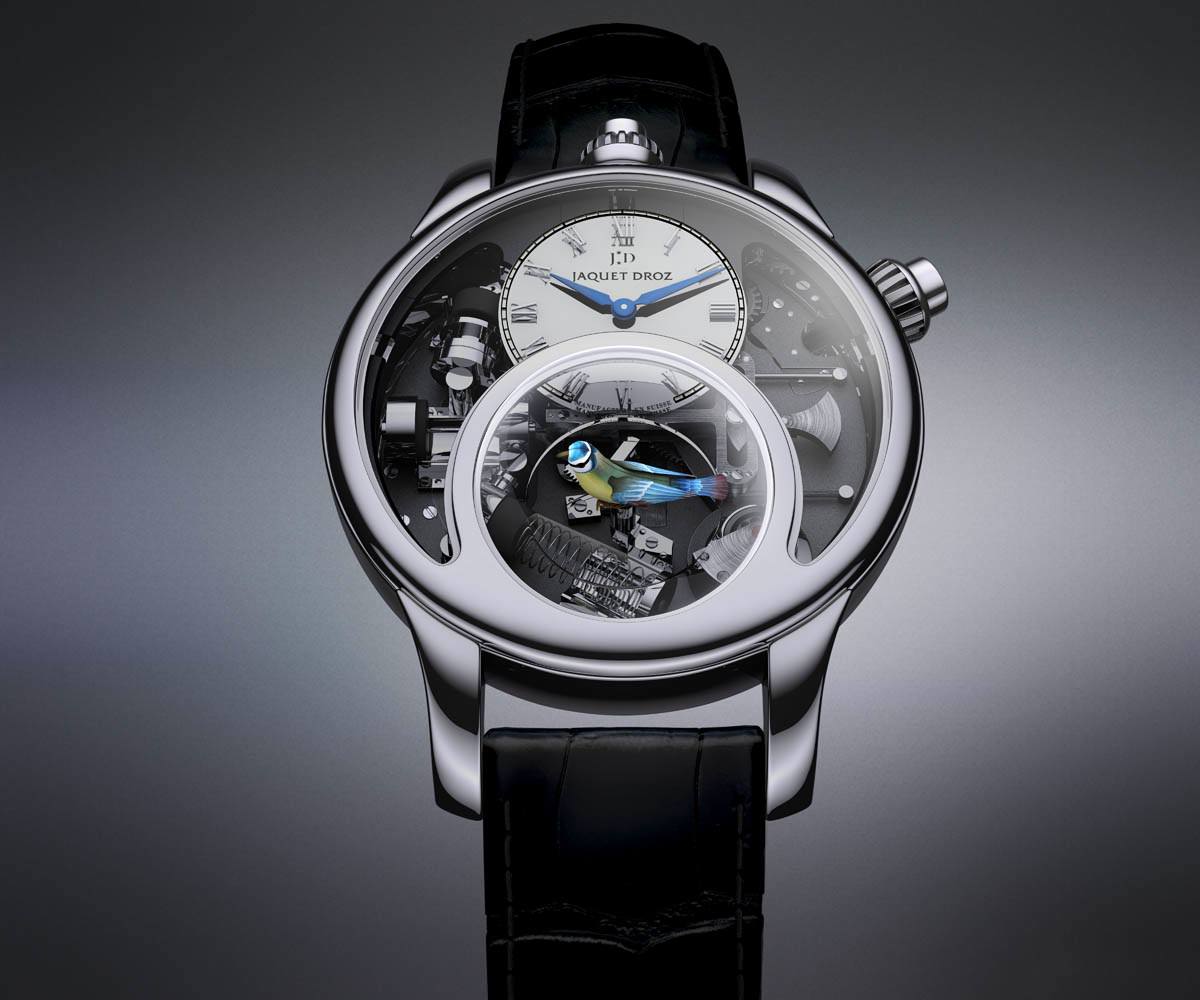
Ulysse Nardin's Stranger, launched in 2013, ingeniously integrates a musical mechanism into its dial, featuring a wide disc with pins that pluck a series of ten blades to play melodies such as Frank Sinatra's "Strangers in the Night" or Vivaldi's "Violin Concerto in E." This visually engaging setup allows the song to play hourly or on demand. Boegli, a Swiss watchmaker, offers more accessible musical watches that combine an ETA automatic base with a musical module, playing classical pieces like Beethoven's "Für Elise" for 60 seconds with 54 notes. Their offerings include both wristwatches and pocket watches, some playing the Godfather theme at a more affordable price point. A unique wildcard is Jaquet Droz's The Charming Bird, a complex automaton that features a miniature bird in a sapphire cage, chirping, flapping its wings, and spinning fluidly. This intricate mechanism uses a piston-driven air system and sapphire pipes to produce realistic chirps, representing a modern homage to the brand's 18th-century automata that captivated European nobility.
The world of horological sound complications, from the practical alarm to the melodious musical watch, showcases an enduring blend of tradition and innovation. These mechanical wonders, created through meticulous craftsmanship and sophisticated engineering, offer an experience far beyond mere time-telling. While modern digital devices provide instant and precise information, the purely mechanical generation of sound in these timepieces elevates them to the realm of wearable art, a profound demonstration of human skill that technology alone cannot replicate.